
Mower County Court Record Requests
Mower Court Administration holds the district-court case files for the county. Have a Mower case number ready if you can. Then say which document you need, its date or index number, and the copy type you want. Minnesota Court Records Online, or MCRO, is the remote option. It lets the public look up Mower case details and many documents from home. It is handy but unofficial. A certified copy or a local-file question still goes through Mower Court Administration. So does anything not available remotely.
You can request records in person, by phone, or by mail. The statewide Copy Request Form is one official route. A letter works too, once you confirm local submission and payment instructions. The office can also tell you whether a courthouse MNPAC terminal or a paper file is available.
Mower Court Administration
Mower County District Court
201 Second Avenue NE, Suite 3
Austin, MN 55912
(507) 509-7013
Monday–Friday, 8:00 a.m.–4:30 p.m.
Mower Court Record Access Channels
Different Mower access channels serve different needs. From home, MCRO offers Case Search, Document Search, Hearing Search, and Judgment Search. Coverage follows the public categories and periods the Judicial Branch allows. Inside a courthouse, MNPAC terminals give a statewide public-access view of electronic records. That Mower view can be broader than remote access, though public-access rules and local procedure still apply.
For copies, older records, restricted-record questions, or case help, call Mower Court Administration. The phone line is the right channel. Skip the Mower court contact form for anything urgent. Time-sensitive questions belong on the phone line. Mail requests go to Mower Court Administration in the county where the case was filed. Don't ask a general county department for a certified Mower court record. The official Mower County department directory shows which offices handle county services. Court operations belong to the separate state Judicial Branch.
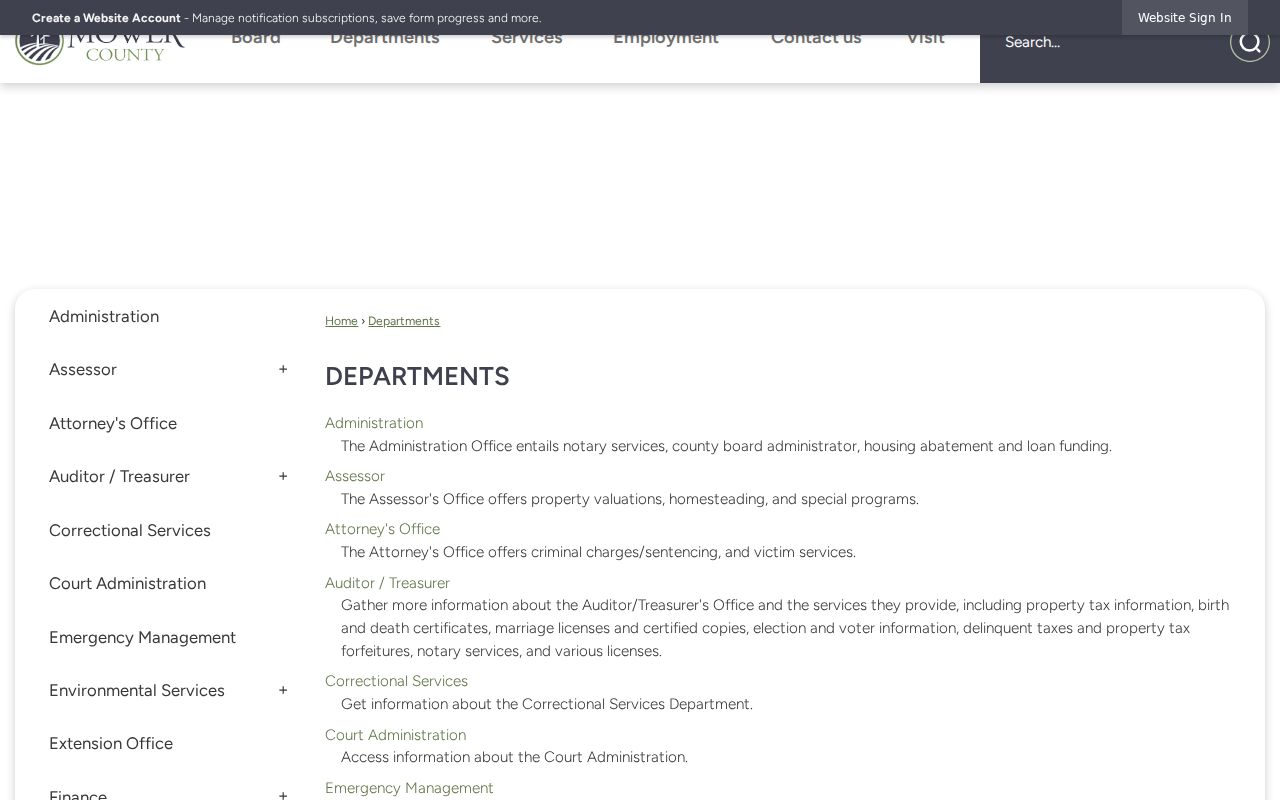
The directory helps you spot county services. For a district-court case copy, Mower Court Administration is still the right destination.
Kinds of Court Records
A Mower court docket pulls together many kinds of entries. You may see case-information fields, hearings, filings, orders, judgments, and case summaries. Civil court records can also hold complaints, answers, affidavits, and proofs of service. Motions, judgments, and satisfaction records appear there too. Criminal docket files cover public case details, event history, and outcome entries. They also list hearings and any documents the court can release. What shows up online depends on the case category. Its date and any restrictions that apply matter as well.
One thing trips people up. A court record is not the same as a recorded county instrument. It is also not the same as city administrative data. Deeds, mortgages, and other recorded legal papers sit with the Mower Recorder, not the courts. County administrative data requests go to the county office that keeps them. Need a district-court docket or a certified copy of a case file? The right office is Mower Court Administration.
Mower Copy Request Form
The statewide form collects the basics: requestor contact details, case type, court file number, party information, document description, date or index number, copy type, quantity, and delivery choice. For a Mower criminal request, there is a field for the defendant's date of birth when required. Keep that detail on the court request itself. It does not belong in public chatter about the case.
Plain nonconfidential Mower copies can be delivered by mail, pickup, fax, email, or prepaid delivery. Fax and email are off limits for confidential material. Certified and exemplified requests generally require payment up front. One caution from the form: a multi-page certified copy has a staple. Removing it invalidates the certification.
- Locate the Mower court file number through MCRO or Court Administration.
- Describe the Mower document and its date or index number as precisely as possible.
- Select the plain, certified, exemplified, or combined Mower certification and exemplification as needed.
- Choose a Mower delivery method that is allowed for the requested material.
- Send the form or an equivalent letter to Mower Court Administration and confirm payment instructions.
Court Records: What They Contain
A docket is the chronological index inside one case. The court record reaches further. It may include the documents and the court-generated information behind those entries. MCRO Case Details pulls the available public material into one place. Even so, a remote lookup cannot promise every document. For a certified copy, go through Court Administration, which authenticates what it sends rather than handing over a screen image from an online search.
| Case information | Mower file number, type, filed date, venue, judicial officer, and public status fields. |
|---|---|
| Register of Actions | Chronological Mower proceedings, filings, hearing entries, and available disposition information. |
| Documents | Public Mower pleadings, orders, judgments, or other materials available for the category and access layer. |
| Hearing information | Mower scheduled setting details, which are not a complete disposition report. |
| Restricted fields | Personal identifiers in Mower records and other data limited by court privacy and public-access rules. |
Run a Mower docket search first to pin down the case number. Then ask for the document you want. That order cuts the risk of a vague copy request or one sent to the wrong office.
Mower Court Records and MCRO
MCRO is the remote public search layer for Mower County. Case Search finds a case by name, number, citation, or attorney. Document Search needs the Mower file number and shows which public documents are online. Hearing Search covers scheduled events, and Judgment Search covers docketed money judgments. Each tool has its own fields and limits. None replaces a certified-copy request to the court.
Remote document coverage is generally strongest from July 1, 2015 forward. Stated coverage spans several public categories. Civil, major and minor criminal, formal probate, other probate, guardianship, conservatorship, trust, and related categories are included. Family and post-adjudication paternity documents are narrower. Even so, a Mower register of actions can be visible, though. A particular document may still not be online. The official Mower County services page lists county service requests. Those are separate from a state court-record request.
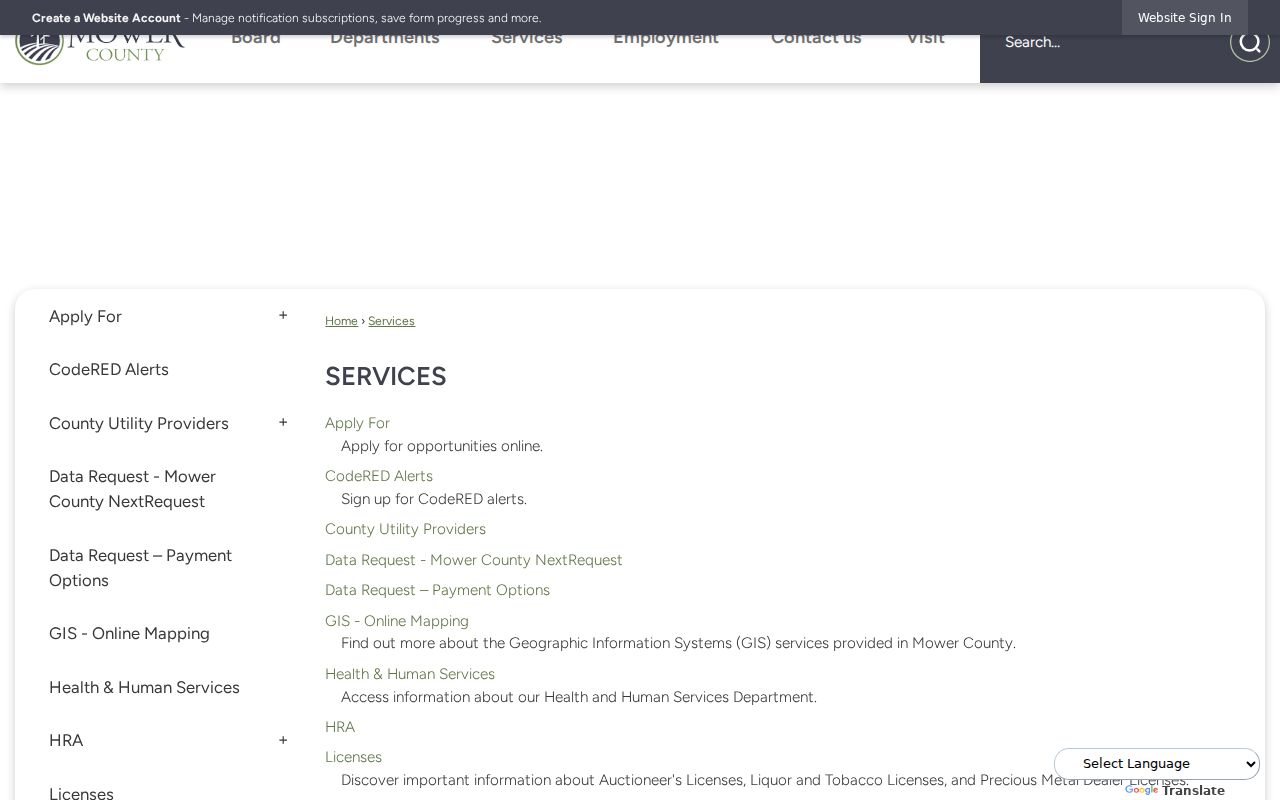
County administrative services cover one slice of public data. For a district-court file, though, Mower Court Administration is the office that actually holds the record.
Mower Court Records and Recorder
Mower Recorder and Mower Court Administration are two different offices with two different jobs. The Recorder keeps recorded legal instruments, mostly real-estate documents, and offers public computer research for that function. Court Administration holds the state district-court case file. So a Mower court complaint, order, docket, or certified case copy belongs with the courts, not the Recorder. That holds true even when the dispute touches land. It also applies to a family matter or a county resident. Mower County NextRequest sits in a third lane. It handles administrative county data and its payment instructions. Minnesota Statutes section 13.03 governs public county and city data, while judicial records fall under the Minnesota Rules of Public Access to Records of the Judicial Branch. Match the rule to the office holding the record.
Copy Fees and Certification
The statewide district-court fee schedule draws a line between a plain copy and court-authenticated or staff-intensive work. Fees can change. Ask Mower Court Administration to confirm the current charge. Ask about the payment method too. Also confirm any local law-library amount before sending a request. The fee page lists district-court checks as payable to the District Court Administrator.
| Copy or service | Current published amount |
|---|---|
| Plain copy, printout, scan, or screen print | $0 |
| Certified civil or criminal instrument | $14 per document |
| Certified printout, certified scan/picture, or certified screen print | $14 |
| Exemplified plus uncertified copy | $14 |
| Certified and exemplified copy | $28 |
| CMS-generated report | $5 for 1–50 pages; $25 per additional 50 pages or portion |
| Scanning work | $25 per 50 pages or portion |
Certification adds the court authentication required for that copy type. Exemplification goes further, adding judicial-officer or court-administrator authentication when a purpose demands it. Since the right choice depends on why you need the copy, confirm the product with the office first.
Mower Certified Court Copies
A certified copy is not an MCRO screen or a plain printout. Court Administration prepares it with the seal or signature process required for that copy type. An exemplified copy adds one more layer of authentication. On the statewide request form, plain copies carry no fee. Certified copies with a raised seal cost $14 per document. Exemplified copies cost $14. A combined certified and exemplified copy runs $28. The fee table also splits out a certified printout of an imaged or e-filed document, a certified staff scan or picture when a file must be dismantled, and a certified case-management screen print. Each of those is listed at $14. Reports and scanning work carry separate per-page charges. So spell out both the document and the copy type.
Mower Court Record Delivery
How a copy reaches you depends on its type and confidentiality. The statewide form allows mail and pickup. It also allows fax for plain nonconfidential material. Email works for plain nonconfidential material too. Other prepaid delivery such as FedEx or UPS is possible with a prepaid label. For certified or exemplified products, follow the payment and delivery directions Court Administration gives you. Never send an unsecured image of identification or confidential material. Do so only if Court Administration specifically asks for it. The local court contact form takes basic contact information and an optional case number. Its instructions say urgent matters should go by phone. The form does not replace an official request for a particular court document.
Access Rules for Court Records
Minnesota Rule of Public Access to Records of the Judicial Branch, Rule 2 presumes court records are open to inspection and copying during regular business hours, subject to stated exceptions. Rule 8 sorts out where records are kept, courthouse electronic access, remote access, registers of actions, calendars, judgment dockets, and restricted fields. Public access does not guarantee every copy from home.
Access layer matters. Minn. Stat. §13.03 applies to county and city administrative data, while court files follow the Judicial Branch public-access rules.
Restricted identifiers, confidential material, juvenile rules, and court orders can limit inspection, copying, or remote availability even when another part of a case is public.
Mower Sealed Record Requests
A sealed or confidential Mower court record takes a different route. When it applies, use the official CON100 access request form. Identify the county and file number if known. Describe the records you want, state your involvement and detailed reason, and add contact information. File it in person, by mail, or through eFile when permitted. The request itself carries no filing fee. A judge makes the call on access. If the request succeeds, use the order when seeking copies. Adoption matters follow a separate process. They should not be routed through CON100 as a workaround. Court Administration can explain the proper filing route without predicting the judge's decision.
Mower Court Records Remote Limits
A record can be missing from MCRO. That is not the same as a case that does not exist. Civil commitment, OFP, HRO, CHIPS, and certain serious delinquency documents are not available remotely. Family and post-adoption paternity records have narrower remote coverage. Juvenile social records, adoption files, protected identities, sealed or expunged records, and some clinical material cannot be obtained through an ordinary public copy request. A record can sit open for inspection at the courthouse. Yet it may appear absent or redacted online. When the case category and the rules allow more public access, MNPAC and Court Administration are the right next contacts. Neither can override confidentiality, expungement, or an order restricting access. Bring the case number. Use the proper court request process rather than trying to plug an online gap with another custodian's records.