
Mower County Civil Docket Searches
Civil, family, probate, juvenile, and conciliation matters all run through Mower County District Court. For a civil case lookup, the quickest route is MCRO Case Search. You can search by party name or case number. Pick Civil as the case type and Mower under court locations to narrow things down. Use the Mower pattern for a file number, like the sample 50-CV-25-1234. Type it without spaces. It opens Case Details when a public record exists.
Spelling matters with name searches. MCRO gives you a middle-name field and a Sounds Like option. There is a wildcard after two characters, plus date filters and a county-level location filter. Keep track of the dates and filters you used. One caution: a name search that turns up nothing does not settle whether a Mower court file exists at all. The record may simply sit at the courthouse, available only in person.
- Open MCRO Case Search and select Name or Case Number.
- Choose Civil and select Mower County from the court-location list.
- Use exact spelling first, then adjust the Mower name filters only if needed.
- Open Case Details and the Register of Actions for the Mower filing and event history.
- Use Document Search with the known Mower number or ask Court Administration about a copy.
Mower Civil Search Filters and Documents
MCRO splits searching from document retrieval. The Case Search screen takes a name, case number, citation number, or attorney route. Once you have a Mower civil number, MCRO Document Search adds a Find Documents path. Whether a filing shows up there depends on the case category and the date. Sealing and remote-access rules also matter. A missing document never erases the Mower register entry.
| MCRO field | How to use it for a Mower civil search |
|---|---|
| Name | Choose Person or Business, then use exact spelling before Sounds Like or a trailing wildcard. |
| Case category | Select Civil when that is the known Mower case category. |
| Court location | Choose Select Specific County Court Locations, then Mower. |
| Case number | Enter a known Mower format without spaces. |
| Document Search | Enter the Mower case number and open only documents designated public. |
MCRO is for looking, not filing. Attorneys and parties file through Minnesota eFile and eServe. A Mower public records search still starts with MCRO or Court Administration.
Civil Dockets: What They Show
Think of a Mower civil docket as a timeline of court activity, entry by entry. Case Details can list the file number. It can also show a redacted title, the civil case type, filed date, venue, the judicial officer assigned, case status, related cases, register links, and document links. The full file behind it may hold a complaint or petition, an answer, affidavits, and proof of service. Motions, orders, a judgment, and a satisfaction or other closing entry may appear too. Not all of it appears remotely.
| Mower case number | An identifier such as 50-CV-YY-####, which is an example only. |
|---|---|
| Parties | Case roles and title subject to public-access and privacy restrictions. |
| Register of Actions | The chronological Mower list of filings, hearings, orders, and related activity. |
| Hearing | A scheduled civil event, with date, time, officer, location, type, and connection label where posted. |
| Disposition | A recorded judgment, dismissal, satisfaction, or another court outcome if shown. |
Read the docket as a court record only. It does not summarize facts beyond what was filed. A hearing label or filing title never establishes a final result.
Mower Conciliation Court and Civil Tracks
Conciliation Court is the small-claims track inside Mower County District Court. Minnesota treats general civil claims up to $20,000 as eligible there. Current exceptions and filing requirements apply. Under Mower Policy 525, conciliation hearings default to a remote format. The court can order otherwise for a given case. Conciliation is not a separate county docket system; it stays a District Court track.
Housing and eviction matters run through the civil District Court category too. The local policy sets in-person jury trials for housing or eviction cases. Other hearings default to remote. A Mower remote connection label helps you find a hearing. It does not put the whole filing set online.
Minn. Stat. §13.03 governs public government data and reasonable county or city copy costs. It does not displace the Judicial Branch rules that control a Mower court file. The statute page spells out those data-access duties.
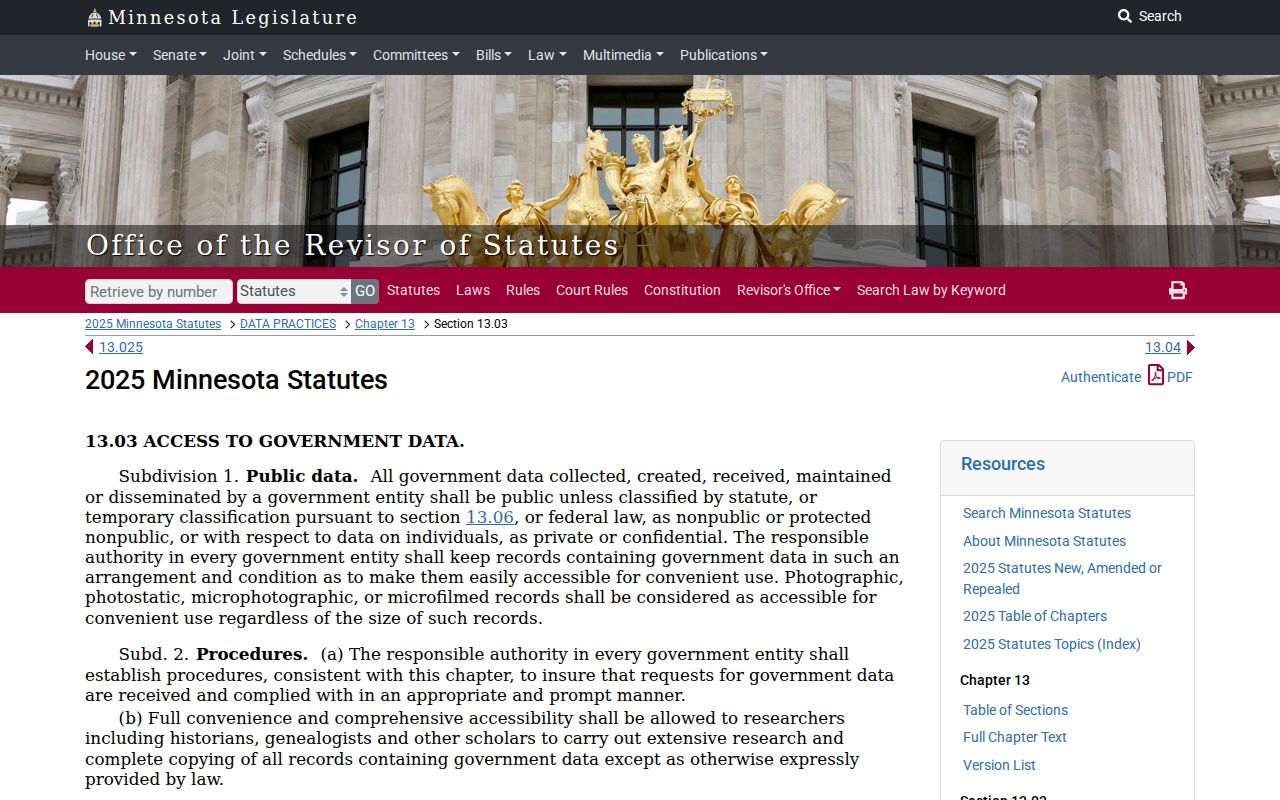
Match the record to the right office first. Confirm the access rule before sending any copy request to Mower County.
What Cases Fill the Civil Docket
Civil docket work in Mower County is broader than one kind of claim. District Court holds original jurisdiction over civil, family, probate, juvenile, criminal, and traffic matters. Each has its own search and access limits. Civil and housing files can include complaints and answers. Motions, hearings, court trials, jury trials, judgments, and satisfaction entries can appear too. Family, probate, guardianship, conservatorship, and juvenile cases often use different case codes and stricter remote-document rules.
- Mower civil and housing cases, including eviction hearings and civil motions.
- Mower Conciliation Court small-claims matters.
- Mower family cases, where protected addresses and financial or child-related materials need special care.
- Mower probate, guardianship, conservatorship, and trust-related court categories.
- Mower juvenile and CHIPS cases, which have significant statutory and Rule 8 access limits.
A recorded deed, mortgage, or similar instrument is not civil docket material. That belongs to the Recorder. The Recorder's public computer serves recorded legal documents, not the District Court's civil register.
Mower Motion Hearings and Final Rulings
A Mower motion hearing means the court set time. It may hear argument or consider a request. It is not the same as a final ruling. A later order, judgment, or other disposition answers that question. The daily calendar also carries other labels. Examples include pretrial, evidentiary hearing, court trial, jury trial, eviction hearing, and administrative conference. Each one marks a procedural event, not an outcome.
To confirm a hearing date, set the MCRO register beside the Mower daily calendar. That PDF lists party name, hearing location, date, time, and judicial officer. Hearing type, connection type, and case number appear too. Next-day calendars post at 7:00 p.m. Hourly updates start at 7:00 a.m. Printed lobby calendars are marked as the most current for the day.
Note: A Mower administrative conference usually signals case management. It is not a contested evidentiary hearing or a final ruling.
Hearings on the Civil Docket
A civil hearing shows up in the Mower County case register. It may also appear in MCRO Hearing Search or on the daily calendar. Searching for a scheduled hearing works best with the Mower case number or a party name. Judicial officer and attorney also work as search terms, plus the date and county filters. Courtroom, judge, and connection assignments can still change after publication. On hearing day, check the printed Mower calendar outside a courtroom or in the public lobby. It is the local source described as most current.
Mower Policy 525 sets no single remote rule for all civil-related cases. Family evidentiary hearings, trials, pretrial, and other family hearings default to in person. Probate hearings default to remote, subject to court direction. Guardianship and conservatorship evidentiary hearings sit outside that broader remote default. Before any hearing, verify the Mower connection label with the court.
Two limits close it out. Confidential cases may be left off the Mower calendar entirely. Rule 8(2)-nonremote matters may be as well. And a missing calendar entry does not prove a case or setting was canceled.
Mower Civil Documents and Copy Requests
To pull a Mower County civil document, have the case number ready. Then try Document Search or the Case Details document link. If the item is not available remotely, ask Mower Court Administration for it. The official copy-request overview explains that each request routes to Court Administration. That is the county where the case was filed. A statewide form collects contact information, case type and file number, parties, and a description of the document. It also gathers copy type, quantity, and delivery preference.
Plain, nonconfidential Mower copies can go out by mail, pickup, fax, email, or other prepaid delivery the form permits. Certified and exemplified copies carry extra payment and authentication requirements. One caution: confirm the route and payment details directly. Skip the county's administrative-data payment system for a court file.
The official court copy-request forms lay out the request fields. They also cover the copy types Court Administration works with.
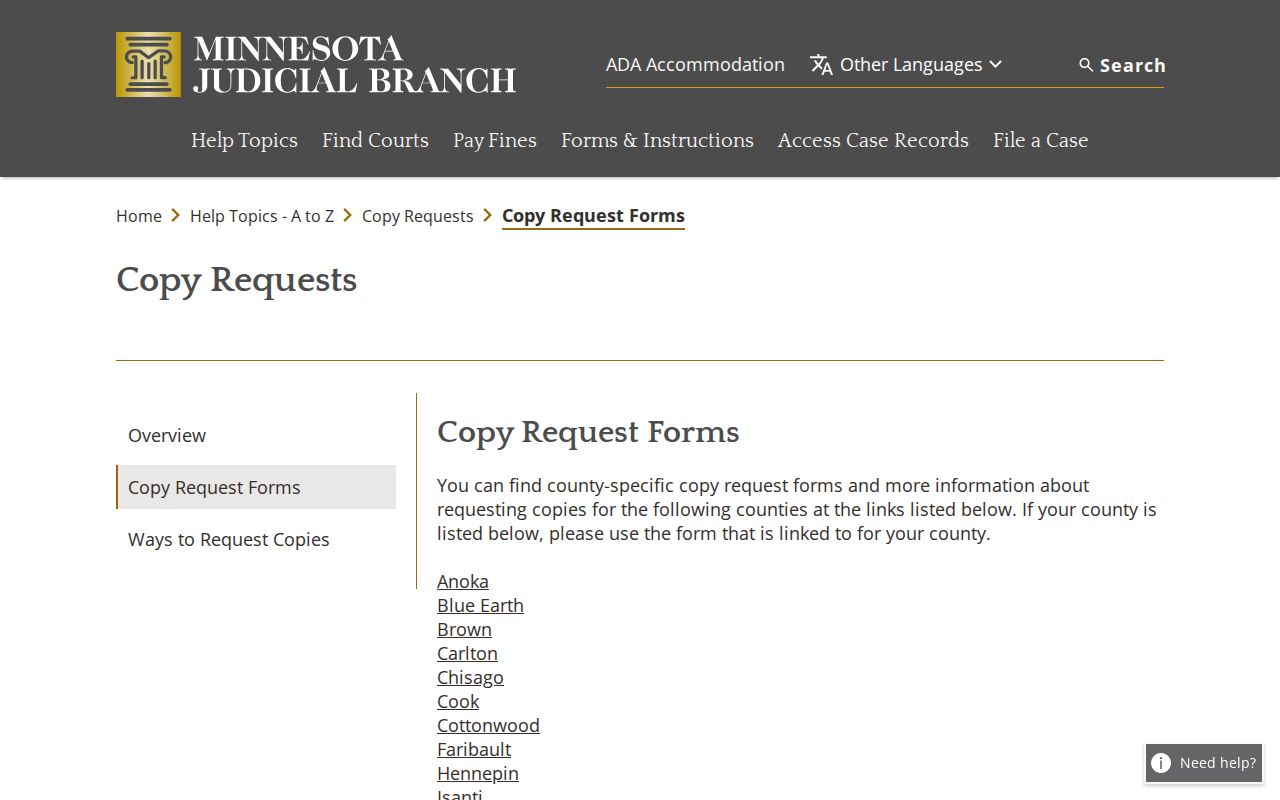
A Mower copy request should name the actual court file and document. That detail helps Court Administration tell a copy request apart from a general search question.
Mower Civil Records and Remote Limits
Remote access to Mower civil records varies by category. MCRO generally describes online public-document coverage for civil cases. Formal and other probate, guardianship, conservatorship, and trust cases are covered too. Family and post-adjudication paternity documents online are narrower. They are commonly just court-prepared orders, opinions, and notices. Civil commitment, OFP, HRO, delinquency felony age 16 and older, and CHIPS public documents stay off MCRO. Courthouse access and court-specific rules still matter even so.
A Mower juvenile calendar entry does not open the whole juvenile file. Juvenile legal records and social records carry separate protections. So do protected identities, adoption files, and certain clinical materials. For a sealed or confidential Mower file, the CON100 access request applies in some situations. It asks for the case, the requester's role, the records sought, and the reason. A judge decides access.
One more thing. A public Mower court record may be inspectable where it is kept. A remote document, attachment, identifier, or category may still be restricted.
Who Can See Civil Dockets
Minnesota Rule of Public Access to Records of the Judicial Branch, Rule 2, generally presumes a Mower court record is open to inspection and copying during business hours, subject to rule-based exceptions. Rule 8 covers public access where records are kept, courthouse access, remote access, registers of actions, calendars, judgment dockets, and restricted fields. Together these rules block any broad claim that every civil result or document is online for every viewer.
Mower civil access: Rule 2 and Rule 8 govern Judicial Branch records, including the difference between courthouse and remote access. Minn. Stat. §13.03 applies to county and city government data, including reasonable copy-cost limits, rather than replacing the court-record rules.
Not every Mower County civil docket is open to everyone. Some case records carry restrictions. Court Administration in Mower County can tell you which layer of a civil court record you may see. It cannot unlock a restricted filing for remote viewing, so plan on visiting in person for that. If you do get a result, keep it private when it should stay that way. Addresses, dates of birth, children's details, and financial data are protected identifiers. You must not republish them.
For copy charges, the state's own district court fee table lists the amounts in effect. The figures that follow come from it.
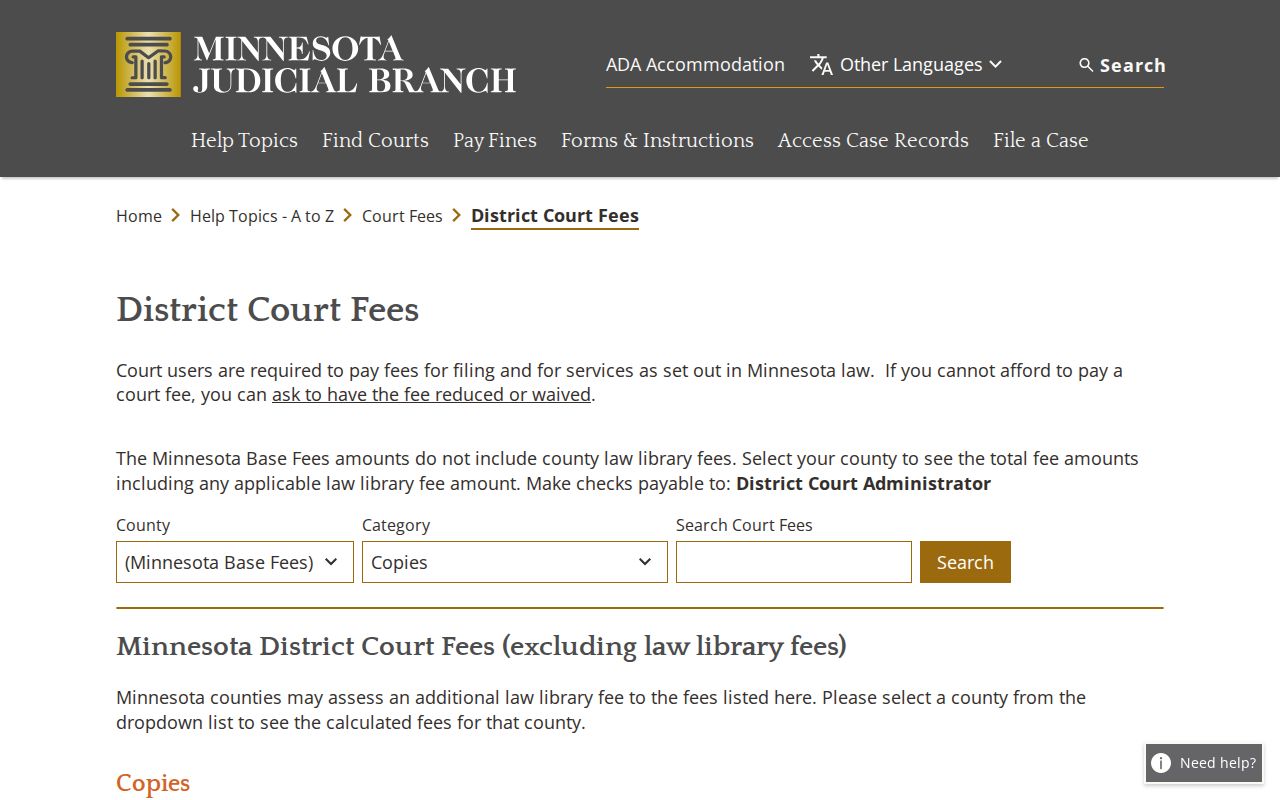
Use fee information to plan a Mower court copy request. Confirm the amount with Court Administration before sending payment.
Mower Court Administration and Recorder Records
Two offices split the work. Mower Court Administration holds the District Court case file, register, and certified-copy process. It also runs the courthouse access path. The Mower Recorder keeps recorded or filed legal instruments. It offers public computer research on that separate body of records. The line matters: a Mower civil claim, motion, judgment, or court-filed order belongs with the court. A deed, mortgage, or recorded instrument belongs with the Recorder.
| Mower question | First source | Why |
|---|---|---|
| Civil case docket or court-file copy | Mower Court Administration or MCRO | The District Court holds the Mower case file. |
| Recorded property instrument | Mower Recorder | The Recorder is the county custodian for recorded documents. |
| County administrative data | Mower County NextRequest | Administrative data is not a substitute for a court-copy request. |
Mower Civil Copy Fees
Mower County civil copy charges follow the statewide district-court fee table. A possible county law-library fee is worth checking in the current county and category selectors. Plain uncertified printouts, scans, and screen prints are listed at $0. Certified copies, certified MNCIS printouts, certified scans, and certified screen prints run $14. Figure out whether the document needs certification first. Ask the court to prepare it after that.
| Mower court-copy item | Published fee |
|---|---|
| Plain uncertified copy, printout, scan, or screen print | $0 |
| Certified copy or certified MNCIS printout | $14 |
| CMS-generated report, 1 to 50 pages | $5 |
| Exemplified plus certified copy | $28 |
| Scanning, per 50 pages or portion | $25 |
Check with Court Administration first. Confirm Mower fees, the local surcharge, payment method, and any confidentiality restriction before submitting a request. The official ways-to-request-copies guidance is the statewide source for delivery and request-channel options.
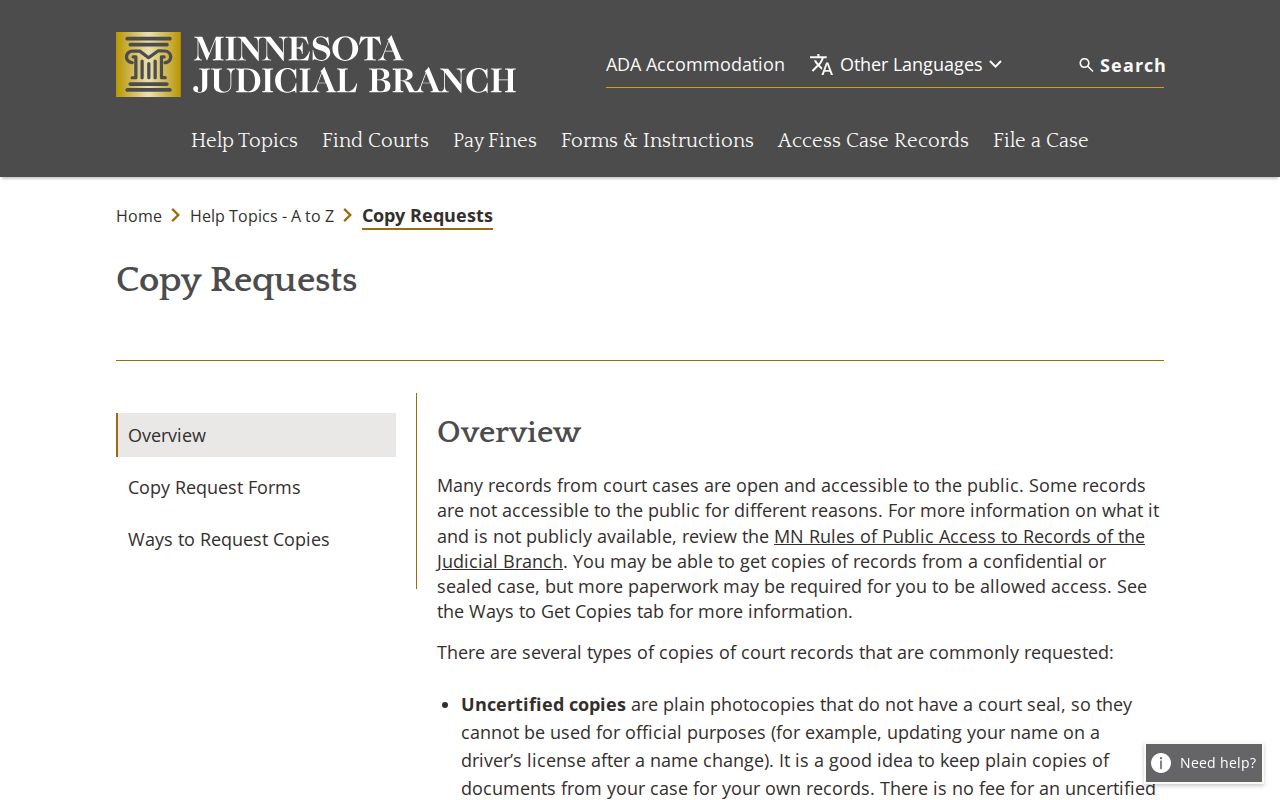
The Mower copy path works best with specifics. Give the file number and name the exact court document you need.